Across the Karamoja Cluster, the expected October–December rains bring both hope and uncertainty.
After months of dry conditions, depleted pasture and shrinking water sources, the anticipated rainfall could help restore grazing lands, replenish water points and improve livestock and crop production. However, heavier rains could also bring risks, including flooding, disease outbreaks, infrastructure damage and further disruption to already fragile livelihoods.
Rather than waiting for the rains to arrive, communities and institutions across the cluster are taking steps to prepare.
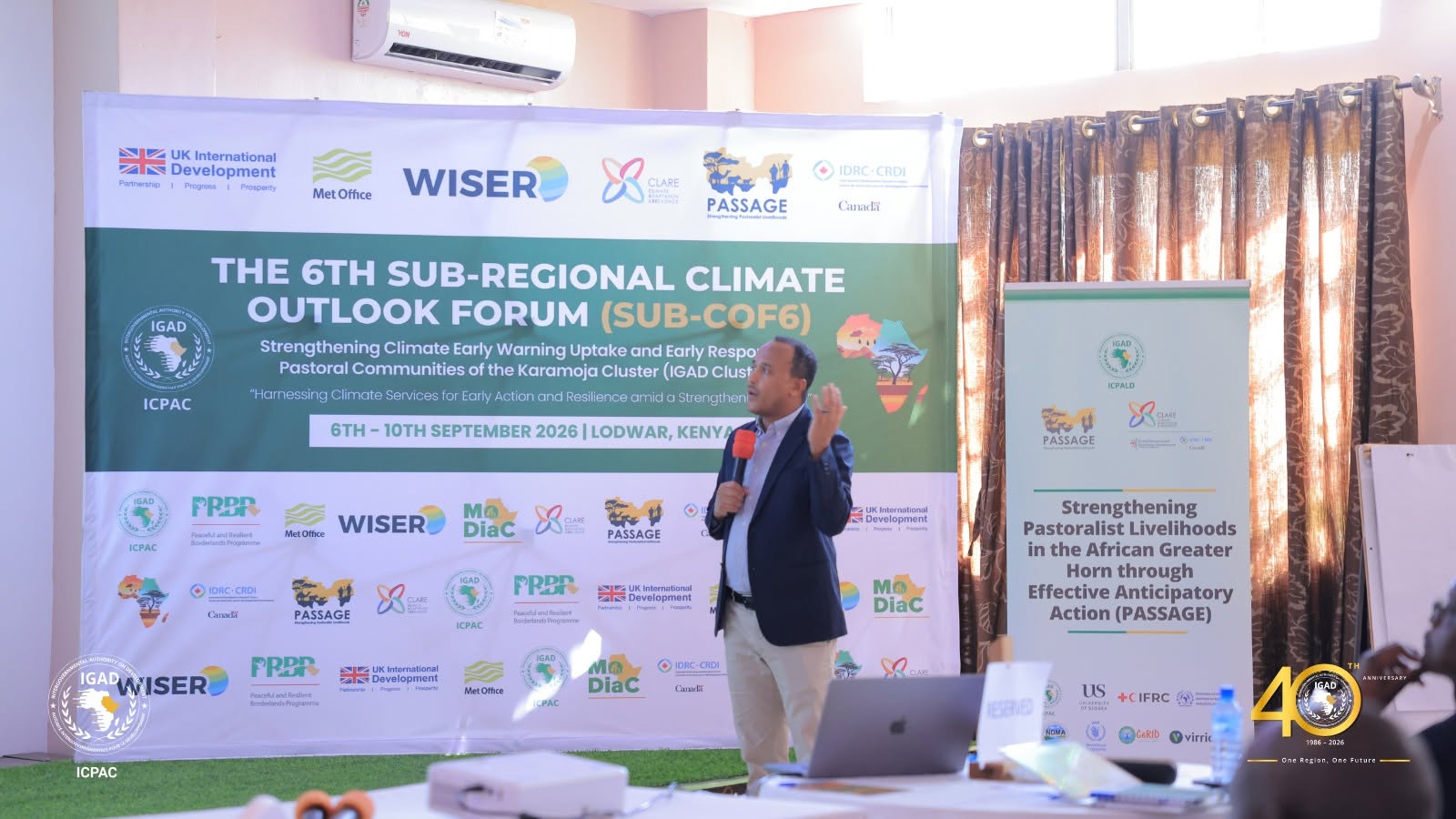
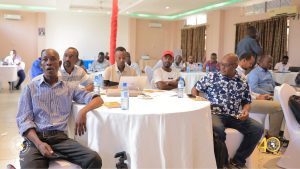
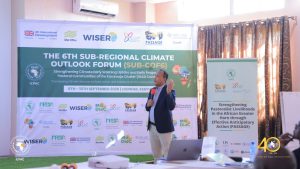
The Sixth Sub-Regional Climate Outlook Forum (Sub-RCOF6) brought together experts from IGAD specialised institutions, National Meteorological and Hydrological Services (NMHSs), climate forecasters, local government officials, pastoral community representatives, indigenous forecasters, climate-sensitive sector experts and local media representatives from Kenya, Uganda, South Sudan and Ethiopia.
The forum focused on translating the regional October–December 2026 climate outlook into locally relevant climate information, sector-specific advisories and early-action priorities for pastoral and agro-pastoral communities.
The message was clear: early warning only saves lives and livelihoods when it leads to early action.
Preparations identified across the cluster include repairing boreholes and desilting water pans ahead of the rains, strengthening veterinary surveillance and vaccination, mapping flood-prone areas, improving drainage, protecting water sources and pre-positioning essential supplies.
Pastoralist communities remain at the centre of these preparedness efforts. Improved rainfall could regenerate pasture and reduce pressure on livestock. However, uneven recovery of grazing areas and water resources could also increase cross-border livestock movements. This makes coordinated rangeland management, monitoring of livestock corridors, negotiated access to shared resources and strengthened cross-border peace mechanisms increasingly important.
The cluster is therefore approaching climate preparedness as a shared cross-border responsibility. Climate information is being linked with agriculture, livestock health, water management, disaster preparedness, mobility and conflict prevention to support timely action and strengthen the resilience of communities across the region.