How can satellite technology, community knowledge and early warning systems help pastoral communities make better decisions before drought turns into crisis?
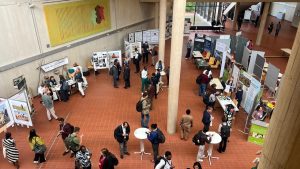
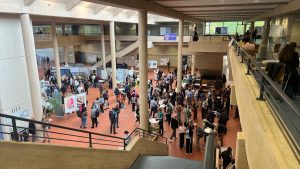
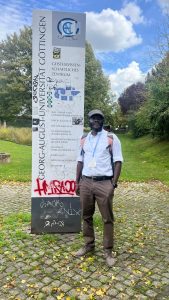
This was at the heart of SCIDA III’s contribution to Tropentag 2026, held at the University of Göttingen in Germany, where the project shared its experience of strengthening drought resilience and sustainable rangeland management across the Karamoja cross-border region.
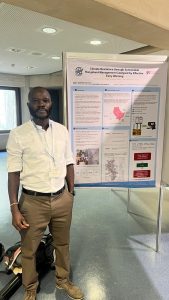
Through a poster presentation titled “Climate Resilience through Sustainable Rangeland Management Catalyzed by Effective Early Warning: Cross-Border Region within IGAD, the Karamoja Cluster,” co-authors Tony Mwaniki and Victor Odipo of GIZ Kenya’s Agriculture and Rural Development Cluster presented an approach that connects Earth Observation technology with local knowledge and practical early warning information. The work is being undertaken through the BMZ-funded Strengthening IGAD’s Capacity to Increase Drought Resilience in the Horn of Africa (SCIDA III) project, implemented by GIZ.
Turning data into decisions
The Karamoja Cluster stretches across the borderlands of northeastern Uganda, northwestern Kenya, southeastern South Sudan and southwestern Ethiopia. It is an arid and semi-arid region where pastoral and agro-pastoral communities depend heavily on access to pasture and water across national borders. Recurrent droughts, ecological pressure and competition over natural resources can intensify mobility and contribute to conflict, making cross-border coordination critical to building resilience.
SCIDA III is addressing this challenge by combining Earth Observation (EO) data with participatory approaches. Multi-sensor satellite information, including vegetation indices such as NDVI, soil moisture and land-cover change, is combined with ground-truthing and indigenous knowledge from pastoral communities. This allows the project to characterize and map transboundary rangelands, assess grazing capacities and identify areas experiencing degradation.
The poster presented this as an “EO-to-action” workflow: satellite information is validated on the ground, analysed and translated into information that can support practical decisions by institutions and communities.
Taking early warning the last mile
Generating accurate information is only part of the solution. A major challenge is ensuring that early warning information actually reaches people in remote areas in a form they can understand and use.
SCIDA III is supporting this last-mile connection through HUSIKA, a multi-layered information management and early warning platform. The system strengthens interoperability with other early warning mechanisms and supports decision-making for communities, including women and young people. Information can be delivered through SMS, a lightweight mobile application and the web, while enabling two-way communication with beneficiaries.
For pastoral communities, this can translate technical climate and rangeland information into decisions that matter directly to livelihoods, such as when and where livestock should move, when early destocking may be necessary, and where nature-based rangeland restoration measures should be prioritised. Seasonal grazing calendars and participatory validation further help connect scientific data with the realities and knowledge of people using the rangelands.
Promising results from the Karamoja Cluster
Results presented at Tropentag showed rangeland monitoring accuracy of more than 85 per cent, alongside improvements in drought-detection lead time and strengthened cross-border coordination among IGAD Member States. These results highlight the value of combining technology with participation. Rather than treating satellite data as a stand-alone technical product, the approach integrates Earth Observation with local validation, pastoral knowledge and mechanisms for delivering information to the people who need it most.
The work contributes to three interconnected areas highlighted during the conference: sustainable rangeland management, climate-change adaptation and mitigation, and technology, data and knowledge systems.
From Karamoja to wider dryland regions
Participation at Tropentag 2026 provided SCIDA III with an opportunity to share its experience with an international community of agricultural researchers, development practitioners and partners, while demonstrating how regional institutions and communities can work together to translate climate information into practical resilience measures.
The experience from Karamoja also offers lessons beyond the cluster. The project’s approach shows the potential of EO-driven, participatory rangeland management combined with last-mile early warning to strengthen resilience in dryland agro-ecosystems, with lessons that can be adapted across other IGAD cross-border clusters and tropical rangelands.
For SCIDA III, the message shared in Göttingen was clear: effective climate resilience is not only about having better data. It is about ensuring that reliable information reaches communities early enough, and in a form they can use to make informed decisions about their livelihoods, livestock and natural resources.
Across the Karamoja Cluster, the expected October–December rains bring both hope and uncertainty.
After months of dry conditions, depleted pasture and shrinking water sources, the anticipated rainfall could help restore grazing lands, replenish water points and improve livestock and crop production. However, heavier rains could also bring risks, including flooding, disease outbreaks, infrastructure damage and further disruption to already fragile livelihoods.
Rather than waiting for the rains to arrive, communities and institutions across the cluster are taking steps to prepare.
The Sixth Sub-Regional Climate Outlook Forum (Sub-RCOF6) brought together experts from IGAD specialised institutions, National Meteorological and Hydrological Services (NMHSs), climate forecasters, local government officials, pastoral community representatives, indigenous forecasters, climate-sensitive sector experts and local media representatives from Kenya, Uganda, South Sudan and Ethiopia.
The forum focused on translating the regional October–December 2026 climate outlook into locally relevant climate information, sector-specific advisories and early-action priorities for pastoral and agro-pastoral communities.
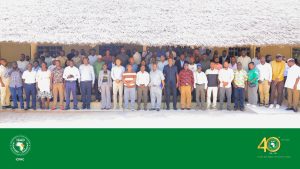
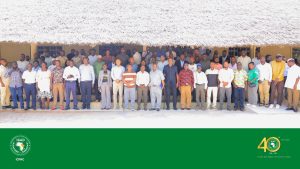
The message was clear: early warning only saves lives and livelihoods when it leads to early action.
Preparations identified across the cluster include repairing boreholes and desilting water pans ahead of the rains, strengthening veterinary surveillance and vaccination, mapping flood-prone areas, improving drainage, protecting water sources and pre-positioning essential supplies.
Pastoralist communities remain at the centre of these preparedness efforts. Improved rainfall could regenerate pasture and reduce pressure on livestock. However, uneven recovery of grazing areas and water resources could also increase cross-border livestock movements. This makes coordinated rangeland management, monitoring of livestock corridors, negotiated access to shared resources and strengthened cross-border peace mechanisms increasingly important.
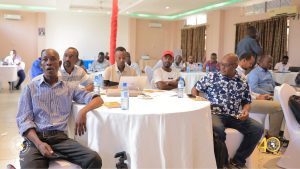
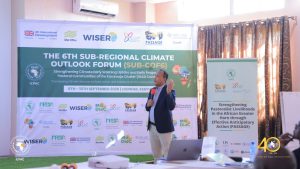
The cluster is therefore approaching climate preparedness as a shared cross-border responsibility. Climate information is being linked with agriculture, livestock health, water management, disaster preparedness, mobility and conflict prevention to support timely action and strengthen the resilience of communities across the region.
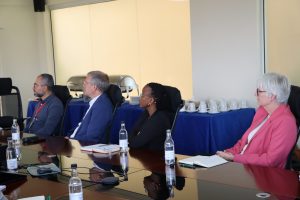
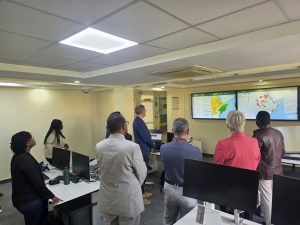
The ability to anticipate climate and weather-related risks is increasingly critical to strengthening resilience across the Horn of Africa. Against this backdrop, a GIZ delegation visited the offices of the IGAD Climate Prediction and Applications Centre (ICPAC) to deepen understanding of the institution’s role in generating and translating climate information into actionable knowledge for the region.
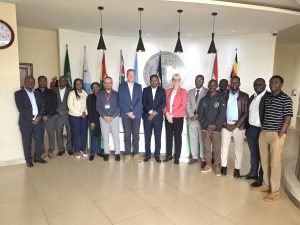
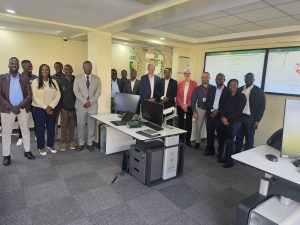
The delegation was led by Matthias Rompel, GIZ East Africa Regional Director, alongside Petra Jacobi, Programme Director for the Agriculture and Rural Development Cluster, and colleagues from the MODIAC and SCIDA III programs. The visit provided an opportunity for a round-table discussion with ICPAC’s management team, offering the GIZ delegation insights into ICPAC’s mandate, regional role and contribution to climate resilience across IGAD Member States.
A key highlight was the visit to the ICPAC Situation Room, where the team explored how climate and hazard information is monitored, analysed and communicated to support timely decision-making. The delegation was introduced to ICPAC’s Hazard Watch, which provides important information on emerging hazards and risks across the region. The team also received a demonstration of ICPAC’s work on Multi-Hazard Early Warning and Anticipatory Action, including applications supported by GIZ.
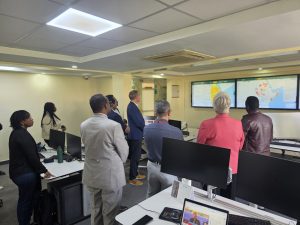
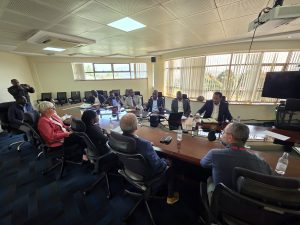
These systems demonstrate the importance of moving beyond responding to disasters after they occur towards anticipating risks and taking action early. Timely climate information can help governments, communities and development partners prepare for droughts, floods and other climate-related hazards, ultimately helping protect livelihoods, food security and development gains.
The engagement reaffirmed the value of strong collaboration between GIZ, IGAD and its specialised institutions such as ICPAC in strengthening climate services, early warning systems and anticipatory action across the Horn of Africa. As climate risks become increasingly complex and interconnected, partnerships that connect science, data and decision-making will remain essential to building a more resilient region.
#HornOfAfrica #ClimateResilience #EarlyWarning #AnticipatoryAction #ClimateServices #Agriculture #Resilience
February 11-13, 2026 (NAIVASHA, Kenya) The Technical Working Group (TWG) training for IGAD lusters I, II and III was convened with funding from GIZ under the Peaceful and Resilient Borderlands Programme (PRBP) framework.
In attendance were ICPAC, ICPALD, GIZ technical officers (epidemiology and diagnostics specialists) from Ethiopia, Kenya, Somalia and South Sudan, representing national and sub-national animal health authorities across IGAD Clusters I, II and III.
The session was officially opened by Dr. Romona Andanyi on behalf of the Director of Veterinary Services Kenya. In her remarks, she underscored the increasing threat of TADs in pastoral borderlands, the urgent need for coordinated, risk-based surveillance approaches, the importance of digital systems in enhancing real-time reporting & outbreak response, and the responsibility of TWGs to translate policy agreements into operational collaboration.
Speaking on behalf of the ICPALD Director, ICPALD’s Animal Health Expert, Dr. Wamalwa Kinyanjui, emphasized ICPALD’s commitment to strengthening regional animal health coordination, operationalizing information-sharing protocols, and institutionalizing TWGs as sustainable cross-border platforms
Mr. Tonny Mwaniki representing GIZ highlighted the linkage between animal health, resilience, livelihoods, peacebuilding and regional stability in borderland clusters, reaffirming GIZ’s support toward strengthening digital early warning systems and cross-border cooperation.
The training aimed to strengthen technical capacity and cross-border animal health early warning systems by equipping TWG members with skills in epidemiological surveillance, risk-based monitoring, laboratory diagnostics, and interoperable digital surveillance systems through integration of KABS, ADNIS, and DOVAR into the HUSIKA regional platform.
Participants reaffirmed commitment to:
- Operationalizing MoUs and information sharing protocols.
- Enhancing risk-based and syndromic surveillance.
- Integrating KABS, ADNIS and DOVAR into HUSIKA.
- Strengthening laboratory-epidemiology linkages.
- Sustaining TWG coordination mechanisms beyond project support.
The cluster action plans developed during the training will guide implementation over the next 6–12 months, with emphasis on early warning, outbreak prediction, and coordinated cross-border response to priority TADs.
Background
The IGAD borderland clusters—Karamoja (Cluster I), Moyale (Cluster II), and Mandera Triangle (Cluster III) are predominantly pastoral and agro-pastoral zones where livestock mobility across borders is central to livelihoods, trade, resilience, and food security. Seasonal migration to access or in search of pasture and water, coupled with dynamic formal and informal livestock trade, sustains millions of households in these regions. However, these same mobility dynamics combined with porous borders, climate variability, recurrent droughts, insecurity, conflict over natural resources, weak infrastructure, and limited veterinary service coverage create high-risk conditions for the introduction and spread of priority TADs.
Although a signed Memoranda of Understanding (MoUs), Implementation Frameworks and an Animal Health Information Sharing Protocol exist among participating countries, their operationalization has remained limited due to gaps in national resource allocation, technical capacity, epidemiological analysis, laboratory diagnostics, digital interoperability, and risk-based surveillance systems.
National digital animal health surveillance systems: Kenya Animal Bio-Surveillance (KABS) System in Kenya, and the Animal Disease Notification and Investigation System (ADNIS) & Disease Outbreak and Vaccination Activity Reporting System (DOVAR) in Ethiopia generate valuable disease intelligence.
At the regional level, HUSIKA provides a multi-hazard early warning and communication platform. However, structured integration and interoperability between national systems and HUSIKA have not been fully operationalized.
*HUSIKA is a multilayered, multi-hazard early warning and communication platform designed to enhance disaster resilience in the greater Horn of Africa
August 4-5, 2025 (LODWAR, Kenya): IGAD convened the Karamoja Cluster Baseline Validation Workshop under the Peaceful and Resilient Borderlands Programme (PRBP), bringing together national officials, community leaders, cluster coordinators, NGOs the European Union, GIZ, and IGAD’s specialised institutions—CEWARN, ICPAC, and ICPALD. The programme aims to reduce the impact of local conflicts and disasters in cross-border areas by reinforcing coordination, improving information-sharing, strengthening management of transboundary resources and establishing practical steering and learning mechanisms across IGAD clusters. The two-day meeting advanced a shared approach to resilience and coordination across the Karamoja cluster, which spans the borderlands of Kenya, Uganda, South Sudan, and Ethiopia.
The Karamoja cluster faces interlinked pressures: resource-based conflict, climate shocks, marginalisation, and weak cross-border governance. The PRBP funded by the EU and co-implemented by IGAD and GIZ, seeks to address these through coordinated, data-driven action at cluster-level. Validating a reliable baseline is essential to align strategies, refine indicators, and guide targeted interventions.
Participants included officials from IGAD Secretariat, CEWARN, ICPAC, ICPALD, GIZ and EU, alongside local governments, community representatives, cluster coordinators, NGOs and regional experts. The agenda also made space for inputs from IGAD specialised institutions and development partners.
The baseline work and agenda discussions pointed to priority actions the coordination structure can take forward: regular tier-one cross-border meetings; community engagement platforms; sectoral working groups; and functional data-sharing systems for timely decision-making. On transboundary resources, recommendations included institutional strengthening, community participation, and joint monitoring to address pressures on grazing, water, and range lands.
The workshop also took stock of existing and emerging coordination arrangements. While ad-hoc forums existed prior to PRBP, partners have since outlined a three-tier structure to knit together government, civil society and specialised institutions across the borderlands—a foundation the Karamoja cluster can now apply and adapt.
In closing, Hon. John Munyes Kiyonga, Peace Envoy for the Ateker Region, and Dr. Feto Esimo, IDDRSI Platform Coordinator, underscored the need for an inclusive, coordinated approach to reduce cross-border conflict and build resilience across the cluster. (Hon. John Munyes is also referenced among Karamoja stakeholders engaged during the baseline process.)
During the PRBP implementation, the cluster will use the validated baseline to guide joint action in conflict mitigation, climate resilience and socio-economic development; working with local authorities and communities, IGAD specialised institutions, and partners including GIZ and the EU.
February 16, 2026 (MANDERA/MOYALE/LODWAR, Kenya): The Intergovernmental Authority on Development (IGAD), through the Drought Disaster Resilience and Sustainability Initiative (IDDRSI), convened a series of Cluster Project Technical Coordination Committee (CPTCC) meetings under the Peaceful and Resilient Borderlands Project (PRBP). The meetings were held across the Mandera Triangle, Moyale–Moyale, and Karamoja clusters, bringing together senior officials from border local governments, IGAD specialised institutions, and implementing partners to advance coordinated action in cross-border areas.
The PRBP is a regional initiative jointly funded by the European Union and the German Federal Ministry for Economic Cooperation and Development (BMZ), and implemented by GIZ under the SCIDA III framework in support of IGAD. Running from February 2024 to January 2027, the project focuses on borderland communities whose livelihoods and social systems transcend national boundaries, yet face shared challenges including insecurity, resource competition, environmental degradation, and limited access to services.
Across the three meetings, participants reviewed the project’s three-tier coordination structure and the role of the CPTCC as the managerial level providing technical oversight, strategic direction, and guidance to cluster-level implementation. Discussions focused on aligning interventions with project objectives, strengthening linkages between cluster activities and national and regional decision-making, and enhancing cooperation across key sectors including peace and security, climate resilience, livestock and rangeland management, water, agriculture, and gender. The draft Term of Reference of the committee was ratified and approved.
Technical presentations by IGAD specialised institutions covering early warning, climate services, pastoral livelihoods, and resilience programming enabled participants to assess progress, identify coordination gaps, and agree on practical solutions. Implementing partners and NGO consortia shared updates on implementation status, challenges, and opportunities to deepen collaboration with local and national authorities.
The meetings also emphasised the importance of harmonised implementation, joint monitoring and evaluation, knowledge management, and coordinated communication across clusters. By fostering structured dialogue and peer learning, the CPTCC engagements reinforced a shared commitment to reducing cross-border conflict, enhancing resilience, and strengthening cooperation among border communities in the IGAD region.
Participants concluded the series with a renewed resolve to translate technical coordination into tangible peace and development dividends, reaffirming IGAD’s cluster-based approach as a cornerstone for sustainable stability and regional integration in the Horn of Africa.
May 12-15, 2025 (Moyale), through its Peaceful and Resilient Borderlands Programme (PRBP), conducted a baseline validation mission in two key cross-border areas: the Moyale Cluster and the Mandera Triangle Cluster. This programme aims to enhance peace, resilience, and sustainable development in the IGAD borderlands that share common socio-economic and cultural ties, but also face challenges such as conflict, migration, climate change, and underdevelopment.
The first leg of the mission on 12th to 13th May was convened in Moyale, Ethiopia, and the second on 14th –15th May 2025 in Moyale, Kenya for the Mandera Triangle Cluster (tri-border area shared by Ethiopia, Kenya, and Somalia). The Baseline Validation Workshop focused on validating baseline findings and consolidating coordination mechanisms.
This forum brought together representatives from local governments, NGOs, implementing partners, and IGAD’s Cross-Border Facilitation Unit. It aimed to promote joint learning, strategic collaboration, and evidence-based decision-making.
The first day of the workshop featured a presentation of the IGAD coordination structure and its Terms of Reference, group discussions facilitated by National Focal Points and implementation Committees to assess coordination efficiency, recommendations for improving thematic coordination, particularly in communication and information flow, presentations on IGAD’s Specialised Institutions and a strategic discussion on the way forward.
The second day incorporated an overview of key outputs and the coordination platform’s structure, presentation of baseline findings and strategic recommendations, and thematic group sessions on transboundary natural resource management, cross-border coordination, policy harmonisation, and institutional frameworks.
Enhanced cross-border coordination, policy advocacy and awareness, sustainable resource management were some of the key outputs of the workshops. These baseline validation workshops were crucial in establishing a coordinated, inclusive, and locally grounded approach to peace and development in the IGAD borderlands. The workshops concluded with a plenary session where participants reached consensus on actionable strategies to strengthen peace, resilience, and collaboration.
The PRBP is being co-implemented by IGAD and GIZ to reduce the impact of local conflicts in the borderlands and enhance resilience in the three IGAD clusters in the Member States of Ethiopia, Kenya, Somalia, and South Sudan.
In the dusty border town of Lokiriama in Turkana County, mornings now begin early for 24-year-old Kampeen Ekiru. Before sunrise, motorcycles are already lined up outside his small garage, their owners waiting patiently for the young mechanic many now fondly call “Engineer.” But just a few years ago, Kampeen’s life looked very different. Unemployed and struggling to support himself and his family, each day felt uncertain. Without a stable source of income, he often relied on casual jobs that barely provided enough money for food.
The frustration and hopelessness slowly took an emotional toll on him. “Before I joined the project, life was very difficult. Every day felt unfair and stressful because I could not provide food for myself or my family,” Kampeen recalls. “Sometimes I was idle and tempted to engage in bad activities like alcoholism because there was nothing meaningful to do.” In the community, many young unemployed men were often viewed with suspicion, and Kampeen was no exception. Some people believed he would eventually drift into crime or gangs. Respect was hard to come by.
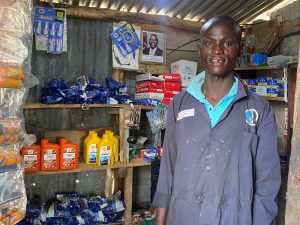
Kampeen inside his fully restocked workshop.
Everything changed when Kampeen heard about an opportunity under the GIZ-supported SCIDA III Project, which was equipping youth in cross-border communities with vocational and livelihood skills. Having long admired friends who had trained as mechanics and transformed their lives, he immediately applied for the motorcycle mechanic training in Napak, Uganda. “I had always dreamt of training in mechanics because it is a marketable skill,” he says. “I knew if I got the chance, I could change my life.”
Kampeen was selected among ten youth beneficiaries from Lokiriama to undertake the intensive three-month training. After successfully completing the course, he returned home with practical skills, renewed confidence, and a startup toolkit provided through the project to help him establish his own business.
Today, his garage has become one of the busiest and most trusted repair shops in the area. On average, Kampeen repairs five motorcycles a day, nearly 30 every week, serving customers from both Kenya and neighboring Uganda.
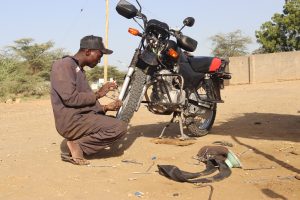
Kampeen busy working on a client's motorbike at his workshop.
One customer, Ng’akimak from Lokiriama, still remembers the day Kampeen repaired a motorcycle with a complicated piston and valve problem that others had failed to fix. Impressed by his professionalism and skill, the customer began referring more clients to him, helping Kampeen steadily build a loyal customer base across the border region. “With every customer I serve, more people begin to trust my work,” Kampeen says proudly. The impact of the business has extended far beyond the garage walls. For the first time in his life, Kampeen can comfortably afford food, medical care, and other basic needs without depending on relatives or friends.
His family, once worried about his future, now beams with pride at the progress he has made. “My family is very happy seeing me support myself and help them too,” he says. “That motivates me even more.” For Kampeen, success is not simply about money or material possessions. “People think owning a home is just having a house,” he explains thoughtfully. “For me, a home means living a meaningful life without lacking basic needs like food. Today, I can live comfortably and peacefully, unlike before.” The transformation has also changed how the community sees him.
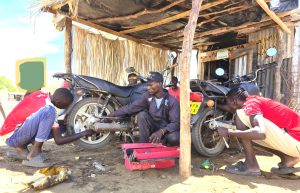
Kampeen (c) with his team at his workshop repairing a motorbike together.
Once dismissed as another idle youth, Kampeen is now respected as a professional and role model. Young people increasingly visit his garage seeking mentorship and encouragement. His growing business has already created opportunities for others. Kampeen has employed two fellow youths who assist with repair work, helping them stay away from idleness, drug abuse, and crime while gaining valuable hands-on experience. His garage has also reduced the burden on local residents who previously travelled long distances to Lodwar for mechanical services. Now, people can access affordable and reliable repairs within the community. Customers from nearby Ugandan border villages also seek his expertise, strengthening cross-border connections and skills exchange between communities.
Beyond changing his own life, Kampeen’s success is helping stimulate the local economy. His earnings circulate within the community through local shops, food vendors, and wages paid to his employees, creating ripple effects that extend far beyond his workshop.
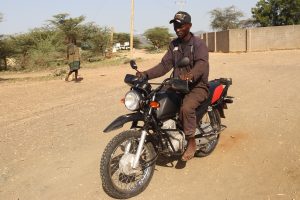
Kampeen doing a road test on one of the motorbikes after repairs.
Today, Kampeen dreams even bigger. He hopes to expand his garage into a fully equipped mechanical workshop and continue mentoring more young people in Lokiriama. His journey stands as a powerful example of how the GIZ-supported SCIDA III Project is transforming lives across border communities by equipping young people with practical skills, economic opportunities, and renewed hope for the future.
Nairobi, Kenya – 03 July 2026: Strengthened cross-border coordination, improved conflict prevention systems, enhanced use of early warning and anticipatory action tools, as well as stronger partnerships among communities, governments, and development actors are among the key expected outcomes of a newly inducted team of Cross-Border Development Facilitation Unit (CBDFU) Coordinators.
The coordinators were inducted under the IGAD Drought Disaster Resilience and Sustainability Initiative (IDDRSI) with support from the European Union through GIZ’s Regional Transformation Cluster, Peaceful and Resilient Borderlands Programme (PRBP). The coordinators will serve across the Karamoja, Mandera and Moyale clusters spanning the borders of Kenya, Uganda, Ethiopia and Somalia. Their role will be to strengthen collaboration among communities, local authorities, technical institutions and development partners while supporting conflict prevention, resilience building and cross-border development initiatives.
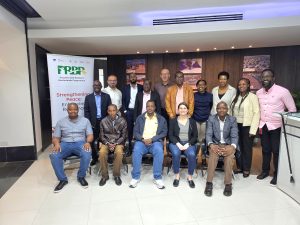
To prepare them for this responsibility, the Intergovernmental Authority on Development (IGAD), through its specialized institutions and partners, convened a five-day induction programme bringing together representatives from IDDRSI, CEWARN, ICPAC, and ICPALD, alongside development partner GIZ and implementing partners Danish Church Aid (DCA), Danish Refugee Council (DRC) and Life & Peace Institute (LPI). The induction was also attended by representatives from the Food and Agriculture Organization of the United Nations (FAO) and the European Union Delegation to Kenya, reaffirming their commitment to supporting integrated approaches to peacebuilding, resilience, climate adaptation, livestock development and sustainable cross-border governance across the three clusters.
Opening the induction, Mubarak Mabuya, IGAD's IDDRSI Platform Coordinator, underscored the importance of borderlands as engines of regional integration and development. "Borderlands are not peripheral spaces; they are centres of opportunity, trade, cultural exchange and regional integration. The CBDFU framework strengthens our ability to coordinate development and peacebuilding efforts across borders while ensuring that communities remain at the centre of decision-making. Through this initiative, IGAD is strengthening local ownership of resilience and creating stronger linkages between regional policies and community action," he said.
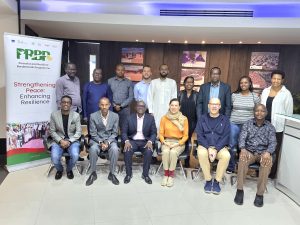
The induction equipped coordinators with knowledge and practical tools on cross-border conflict prevention and management, oversight of Technical Working Groups, early warning and anticipatory action systems, transboundary animal health coordination, communications, visibility and stakeholder engagement. The CBDFU serves as a critical cross-border coordination mechanism within the PRBP architecture. As frontline facilitators, the coordinators will help translate regional frameworks into local action by strengthening collaboration between governments, communities and development partners and ensuring that community priorities inform cross-border programming.
According to Katharina Hübner, GIZ Regional Transformation Cluster Manager, the initiative lays out the foundation for a new generation of cross-border practitioners capable of connecting peacebuilding with sustainable development outcomes. "The complexity of borderland challenges requires coordinated and innovative approaches. Through the CBDFU structure, we are investing in people and institutions that can bring together governments, communities, technical experts and development partners around shared solutions. We expect the coordinators to become catalysts for collaboration, learning and long-term resilience across the programme clusters," she said.
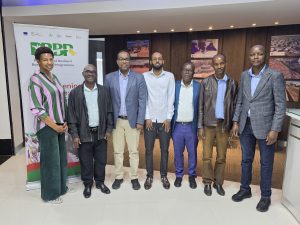
A key feature of the induction was learning from the successful Moyale Conflict Prevention and Resolution Mechanism (CPMR), which has emerged as a model for community-led cross-border peacebuilding in the IGAD region. Supported by IGAD CEWARN, GIZ and local partners, the Moyale peace structure brought together previously fragmented peace initiatives into a unified platform that strengthened cooperation between communities and authorities on both sides of the Kenya-Ethiopia border. The mechanism has successfully mediated inter-community disputes, facilitated the recovery of stolen property across borders, reduced tensions around contested resources, and strengthened trust in local conflict management structures.
Reflecting on the model's success, Dr Bedru Muzein, the Project Component Manager, Cross Border Cooperation at GIZ, who played a leading role in the design and operationalization of both the CPMR and CBDFU approaches under the Strengthening IGAD’s Migration Policy Implementation Project (SIMPI) programme, highlighted the value of institutionalizing local peace structures. "The CPMR model demonstrated that when communities, governments and regional institutions come together under a coordinated framework, they can effectively address the root causes of conflict and build lasting peace. The CBDFU model builds on this success by ensuring that peace, development and resilience interventions are coordinated, inclusive and sustainable," he noted.
Lessons from Moyale will guide the establishment and strengthening of similar Conflict Prevention, Management and Resolution platforms in Karamoja and Mandera, adapted to each cluster's unique conflict dynamics, climate risks and development challenges. For Galma Dida, CBDFU Coordinator for the Moyale Cluster, the training offered an opportunity to share lessons from a region where collaborative peacebuilding is already yielding results. "Moyale has shown that communities can become the first line of defense against conflict when they are empowered, organized and supported. The CBDFU will strengthen these connections further by improving coordination among local peace structures, government institutions and development actors," he said.
Participants also explored how climate information, early warning systems, anticipatory action, and transboundary animal disease surveillance can be integrated into local planning and decision-making processes. Speaking on behalf of the Karamoja Cluster, Dr Gerald Kairu noted that the induction provided practical tools for addressing shared challenges across the Kenya-Uganda border. "Karamoja experiences interconnected challenges that cannot be addressed by one country or one institution alone. This induction has equipped us with practical tools and regional experiences that will help strengthen cross-border coordination and promote community-driven solutions for peace and resilience," he said.
Similarly, Omar Siraji, CBDFU Coordinator for the Mandera Cluster, emphasized the importance of partnerships in a region where security, mobility, and development issues are cut across borders. "Through the CBDFU approach, we have an opportunity to strengthen trust among communities, improve collaboration between institutions and support initiatives that promote stability, livelihoods and social cohesion across the Kenya-Ethiopia-Somalia borderlands," he said.
Participants welcomed the engagement of FAO and the European Union Delegation to Kenya, whose support is expected to strengthen the work of the CBDFUs through enhanced technical collaboration, policy engagement and investments in resilience-building initiatives. FAO's expertise in livestock systems, transboundary animal disease management and sustainable natural resource management, alongside the European Union's longstanding support for regional integration, peacebuilding and resilience programming in the Horn of Africa, will be instrumental in helping the coordinators translate regional frameworks into tangible benefits for communities across Karamoja, Mandera and Moyale.
As the Peaceful and Resilient Borderlands Programme advances implementation across the three clusters, the newly inducted coordinators are expected to strengthen Technical Working Groups, support operationalization of cross-border governance structures, facilitate community engagement and ensure that local voices inform regional decision-making.
The induction reaffirmed the commitment of IGAD, GIZ, DCA, DRC, LPI, member states and local stakeholders to transform borderlands from areas often associated with vulnerability and conflict into spaces of cooperation, resilience, opportunity and sustainable development.
May 12-15, 2025 (Moyale), through its Peaceful and Resilient Borderlands Programme (PRBP), conducted a baseline validation mission in two key cross-border areas: the Moyale Cluster and the Mandera Triangle Cluster. This programme aims to enhance peace, resilience, and sustainable development in the IGAD borderlands that share common socio-economic and cultural ties, but also face challenges such as conflict, migration, climate change, and underdevelopment.
The first leg of the mission on 12th to 13th May was convened in Moyale, Ethiopia, and the second on 14th –15th May 2025 in Moyale, Kenya for the Mandera Triangle Cluster (tri-border area shared by Ethiopia, Kenya, and Somalia). The Baseline Validation Workshop focused on validating baseline findings and consolidating coordination mechanisms.
This forum brought together representatives from local governments, NGOs, implementing partners, and IGAD’s Cross-Border Facilitation Unit. It aimed to promote joint learning, strategic collaboration, and evidence-based decision-making.
The first day of the workshop featured a presentation of the IGAD coordination structure and its Terms of Reference, group discussions facilitated by National Focal Points and implementation Committees to assess coordination efficiency, recommendations for improving thematic coordination, particularly in communication and information flow, presentations on IGAD’s Specialised Institutions and a strategic discussion on the way forward.
The second day incorporated an overview of key outputs and the coordination platform’s structure, presentation of baseline findings and strategic recommendations, and thematic group sessions on transboundary natural resource management, cross-border coordination, policy harmonisation, and institutional frameworks.
Enhanced cross-border coordination, policy advocacy and awareness, sustainable resource management were some of the key outputs of the workshops. These baseline validation workshops were crucial in establishing a coordinated, inclusive, and locally grounded approach to peace and development in the IGAD borderlands. The workshops concluded with a plenary session where participants reached consensus on actionable strategies to strengthen peace, resilience, and collaboration.
The PRBP is being co-implemented by IGAD and GIZ to reduce the impact of local conflicts in the borderlands and enhance resilience in the three IGAD clusters in the Member States of Ethiopia, Kenya, Somalia, and South Sudan.